Understanding Garage Door Springs, Their Lifespan, and Which Replacement Option Is Right for Your Home
Most homeowners don’t think about their garage door springs—until one breaks.
The truth is, your garage door springs are one of the hardest-working components of your entire garage door system. Every time you press your wall button or remote, the springs are doing nearly all of the heavy lifting, while your garage door opener simply guides the door along its track.
Like the tires on your vehicle or the brakes on your car, garage door springs have a finite lifespan. Understanding spring cycle life can help you make an informed decision when it’s time for replacement and may save you money in the long run.
What Is a Garage Door Spring Cycle?
A cycle is one complete opening and closing of your garage door.
For example:
- Leave for work in the morning → Open & Close = 1 Cycle
- Return home in the evening → Open & Close = 1 Cycle
That means you’ve already used 2 cycles in one day, and that’s before considering children leaving for school, weekend projects, taking the dog out, or multiple family members coming and going.
For many households, the garage door is actually the primary entrance to the home.
How Many Cycles Does the Average Home Use?
Here’s a general estimate of annual garage door usage.
| DAILY USAGE | CYCLES PER YEAR |
|---|---|
| 2 cycles/day | ~730 |
| 4 cycles/day | ~1,460 |
| 6 cycles/day | ~2,190 |
| 8 cycles/day | ~2,920 |
| 10 cycles/day | ~3,650 |
If your family uses the garage as the main entrance, 4–8 cycles per day is very common.
How Long Do Garage Door Springs Last?
Garage door springs are rated by the number of cycles they are designed to perform before reaching the end of their expected service life.
Here’s what that typically looks like for the average homeowner.
| SPRING RATING | ESTIMATED LIFE (4 CYCLES PER DAY) |
|---|---|
| 10,000 Cycles | Approximately 6–7 Years |
| 15,000 Cycles | Approximately 10 Years |
| 30,000 Cycles | Approximately 20 Years |
| 80,000 Cycles | Several Decades for Most Homes |
Keep in mind that these are estimates. Homes with multiple vehicles or frequent garage door use may reach these cycle counts much sooner.
Why Spring Cycle Life Matters
As garage door springs age, they slowly lose lifting power.
This can lead to:
- A garage door that feels heavy
- Increased strain on your garage door opener
- Premature wear on rollers, cables, bearings, and hinges
- Slower or uneven door movement
- Unexpected spring failure
Many homeowners don’t realize their springs are wearing out because it happens gradually over time.
Garage Door Spring Cycle Life Explained
This surprises many homeowners.
The garage door opener is not designed to lift the full weight of your garage door.
Instead:
- The springs do the lifting.
- The opener simply guides a properly balanced door.
When springs become weak or worn, the opener has to work much harder than it was designed to. Over time, this extra strain can shorten the lifespan of the opener’s motor, gears, trolley, and drive system.
Replacing worn springs before they fail helps protect your entire garage door system.
Why Do Some Springs Need Lubrication?
Most traditional torsion springs benefit from periodic lubrication. Lubricating the springs helps reduce friction between the coils, minimizes surface rust, and can help keep the door operating quietly.
Some premium springs, however, feature a durable powder-coated finish that protects against rust and corrosion. Because of this protective coating, routine spring lubrication is no longer necessary.
It’s important to remember that while powder-coated springs require less maintenance, your garage door should still receive regular professional maintenance. Rollers, hinges, bearings, cables, and other moving components should continue to be inspected and lubricated as needed to keep the entire system operating safely.
Our Residential Spring Replacement Options
Every homeowner has different needs. Some are looking for the most economical repair, while others want the longest-lasting solution available.
At Overdoors of Illinois, we offer four residential spring replacement packages so you can choose the option that best fits your home, your usage, and your long-term goals.
Standard Cycle Spring Replacement
10,000 Cycle Springs
Our entry-level spring replacement package is ideal for homeowners looking for a reliable repair at an economical price.
Includes:
- 10,000 Cycle Springs
- 1-Year Parts Warranty
- 90-Day Labor Warranty
Best For:
- Budget-conscious homeowners
- Lower-use garage doors
- Rental properties
DuraMaster Spring Replacement
15,000 Cycle Springs
Our most popular upgrade, offering increased longevity with less maintenance.
Includes:
- 15,000 Cycle Springs
- 5-Year Parts Warranty
- 1-Year Labor Warranty
- Powder-coated springs that resist rust and corrosion—no routine spring lubrication required.
Best For:
- Homeowners planning to stay in their home for several years
- Families with moderate garage door usage
- Those wanting improved durability with reduced maintenance
MaxCycle Spring Replacement
30,000 Cycle Springs
Designed for homeowners who want significantly longer spring life and added peace of mind.
Includes:
- 30,000 Cycle Springs
- 5-Year Parts Warranty
- 5-Year Labor Warranty
Best For:
- Busy households
- Multiple drivers
- Homes where the garage serves as the primary entrance
- Homeowners looking for long-term value
DuraMax Lifetime Spring Replacement
80,000 Cycle Springs
Our premium residential spring package is built for maximum longevity and minimal maintenance.
Includes:
- 80,000 Cycle Springs
- Lifetime Parts Warranty
- Lifetime Labor Warranty
- Powder-coated springs that resist rust and corrosion—eliminating the need for routine spring lubrication.
Best For:
- Homeowners planning to stay in their home long-term
- High-cycle households
- Customers looking for the ultimate peace of mind
- Those wanting the lowest long-term maintenance requirements
Which Spring Package Is Right for You?
There isn’t a “one-size-fits-all” answer.
The best spring depends on several factors, including:
- How often your garage door is used
- How long you plan to stay in your home
- Your maintenance preferences
- Your long-term investment goals
Our technicians take the time to explain each option and answer your questions so you can make an informed decision without pressure.
Spring Package Comparison
| PACKAGE | CYCLES | TYPICAL LIFESPAN | WARRANTY | MAINTENANCE |
|---|---|---|---|---|
| Standard | 10,000 | ~6–7 Years | 1-Year Parts / 90-Day Labor | Lubricate Periodically |
| DuraMaster | 15,000 | ~10 Years | 5-Year Parts / 1-Year Labor | No Spring Lubrication Required |
| MaxCycle | 30,000 | ~20 Years | 5-Year Parts / 5-Year Labor | Lubricate Periodically |
| DuraMax | 80,000 | Several Decades | Lifetime Parts & Labor | No Spring Lubrication Required |
Signs Your Garage Door Springs May Be Wearing Out
Your springs usually don’t fail without warning.
Watch for these common signs:
- The garage door feels noticeably heavier
- The opener struggles to lift the door
- The door opens unevenly
- The garage door won’t stay balanced halfway open
- Loud popping or snapping sounds
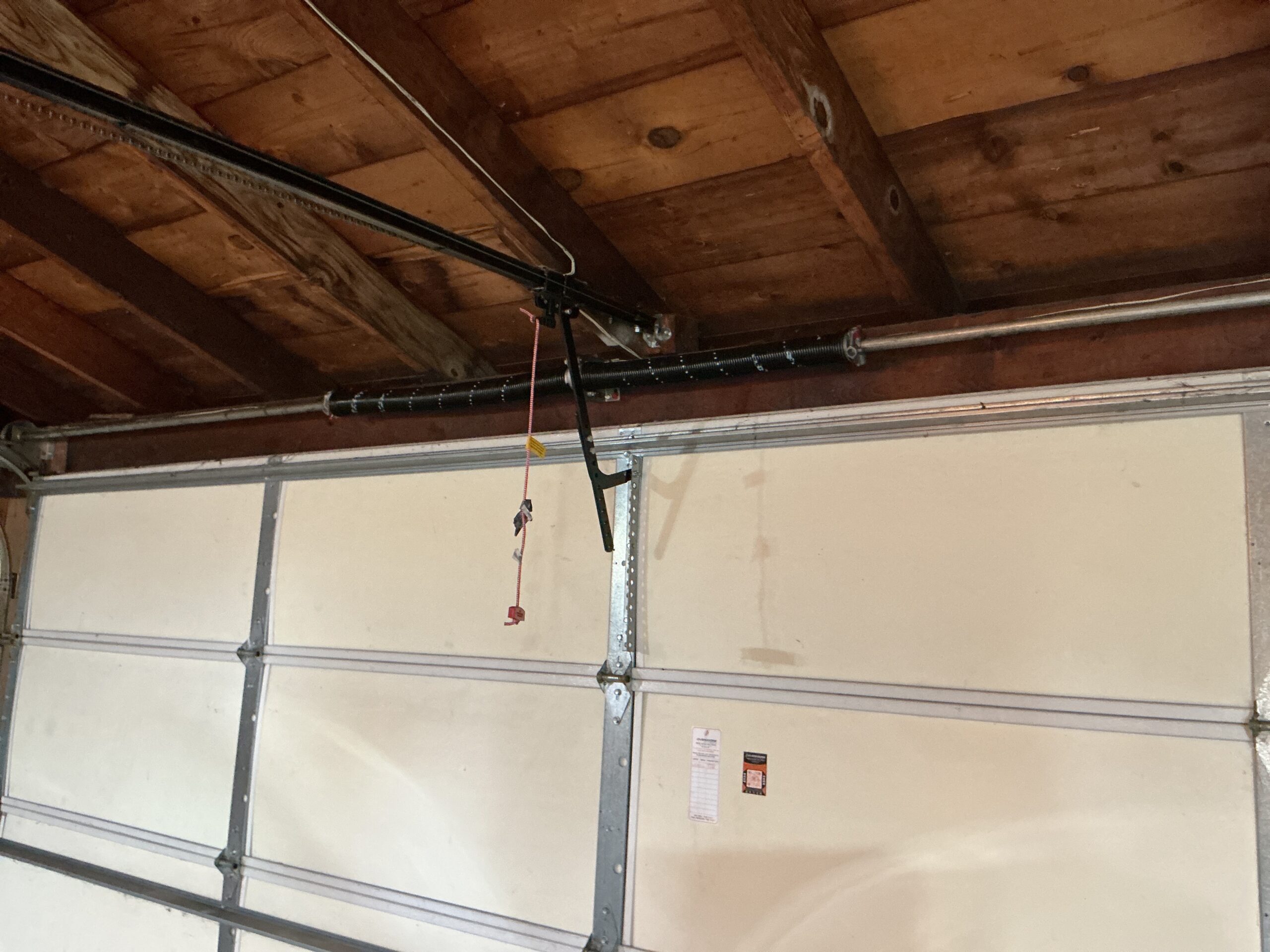
- Visible gaps in the torsion spring
- The opener reverses unexpectedly because the door has become too heavy
If you notice any of these symptoms, having your garage door inspected before a complete spring failure can often prevent additional wear on other components.
Protect Your Garage Door Investment
Your garage door is the largest moving object in your home, and the springs are what make it operate safely and efficiently.
Choosing the right spring replacement isn’t just about fixing today’s problem—it’s about protecting your garage door opener, reducing future maintenance, and ensuring years of reliable performance.
Whether you’re looking for a dependable standard replacement or a premium lifetime solution, Overdoors of Illinois is here to help you understand your options and choose the package that best fits your home.
Frequently Asked Questions
How do I know if my garage door springs need to be replaced?
Common signs include a heavy garage door, loud noises, an opener that struggles to lift the door, uneven movement, or a visible gap in the torsion spring.
Is it safe to replace garage door springs myself?
Garage door springs are under extreme tension and can cause serious injury if handled improperly. Spring replacement should always be performed by a trained professional.
Should both garage door springs be replaced at the same time?
Yes. If your garage door has two torsion springs, we generally recommend replacing both together. Since they have experienced the same amount of use, the second spring often isn’t far behind the first.
Are higher-cycle springs worth it?
For many homeowners, yes. Higher-cycle springs typically last much longer, require fewer replacements over time, and can reduce the overall cost of ownership.
Do powder-coated springs really eliminate maintenance?
Powder-coated springs help resist rust and corrosion and do not require routine spring lubrication. However, your garage door system should still receive regular professional maintenance to inspect and lubricate the other moving parts.
Does replacing my springs help my garage door opener?
Absolutely. Properly balanced springs remove most of the weight from the garage door, allowing the opener to operate as designed with significantly less strain.
Need your garage door springs inspected?
The team at Overdoors of Illinois can evaluate your garage door, check its balance, inspect the condition of your springs, and walk you through the spring replacement options that best fit your home and how you use your garage every day.